
The East African Community (EAC) is staring down a massive and rapidly growing consumer market for footwear, with regional demand projected to approach 400 million pairs of shoes by 2030.
According to findings from the Mid-Term Review of the EAC’s ten-year Leather Strategy (2020–2030), collective footwear consumption across member states climbed sharply from 130 million pairs in 2017 to nearly 290 million pairs by 2024. Secretariat forecasts in Arusha indicate that total demand will reach approximately 385 million pairs before the decade closes.
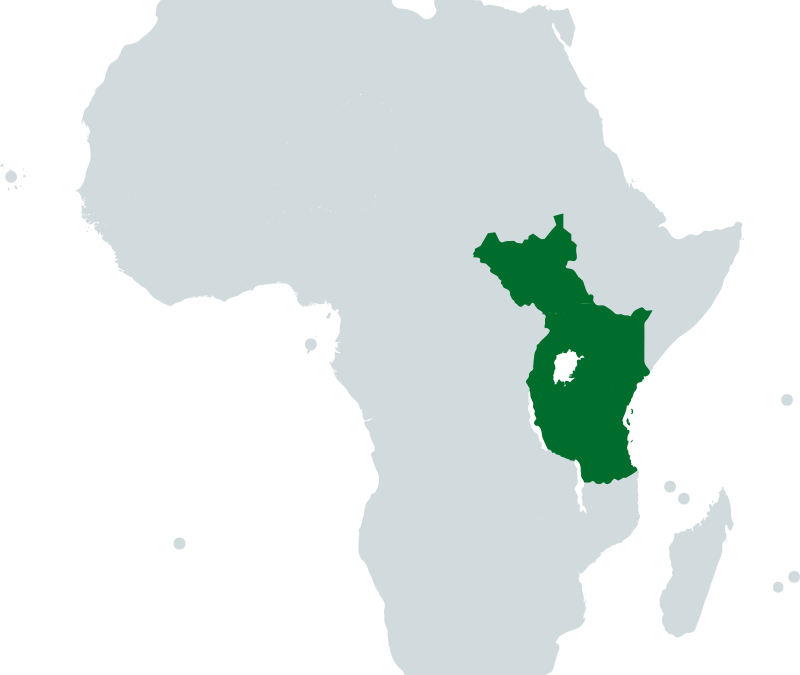
With a combined population spanning across eight partner states—Burundi, the Democratic Republic of Congo, Kenya, Rwanda, Tanzania, Somalia, South Sudan, and Uganda—reaching over 350 million citizens, the region possesses a vast domestic consumer base. However, despite the immense scale of the market, local manufacturing output across the bloc currently hovers at roughly 17 million pairs annually, leaving the market heavily reliant on imports and secondhand clothing trade (Mitumba).
To address this striking deficit and spur domestic industrialization, regional authorities are leaning heavily into value-addition initiatives. The upcoming EAC Micro Small and Medium Enterprises (MSME) Trade Fair, scheduled to take place in Kigali, Rwanda, from October 30 to November 8, 2026, will place a strategic spotlight on the leather and horticulture sectors.
Set up following directives from the Sectoral Council on Trade, Industry, Finance and Investment (SCTIFI), the annual trade fair aims to connect supply chain stakeholders, encourage technology adoption, and promote the “Buy Made in East Africa” initiative.
Annette Ssemuwemba, the EAC Deputy Secretary General for Customs, Trade, and Monetary Affairs, emphasized that focusing on high-potential sectors like leather is critical to accelerating intra-regional commerce and cutting down dependency on foreign imports.
“It will also promote the consumption of locally produced goods as part of broader efforts to strengthen domestic industries and enhance regional competitiveness,” Ssemuwemba noted, adding that the event serves as an essential nexus for policymakers, innovators, and investors.
Alongside the trade exhibition, the region will host the EAC Quality Awards 2026 to honor enterprises achieving excellence in standards compliance and manufacturing innovation key milestones as East Africa races to build out its industrial capacity to meet a booming 400 million pair market.