
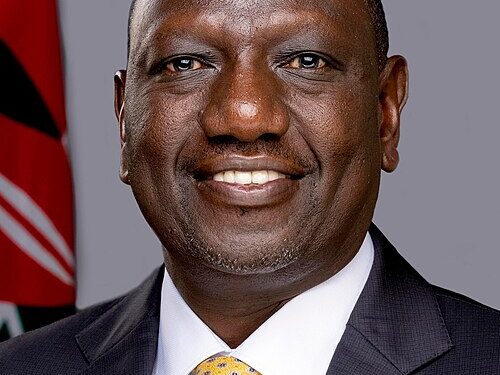
Kenyan President William Ruto has announced a major policy directive instructing local manufacturers to produce leather shoes for all 14 million school-going children across the country.
The initiative is designed to create a massive, guaranteed market for domestic footwear producers, stimulate economic growth, and generate youth employment.
Key Highlights of the Plan:
-
Building on Prior Sourcing Bans: This announcement follows a strict government directive enforcing local procurement for security forces. Earlier in the year, President Ruto banned foreign-imported footwear for the military and police, ensuring that by October, all security personnel boots were manufactured domestically.
-
Industrial Infrastructure: The initiative leverages recent heavy investments into local processing capabilities, including a Ksh 5.8 billion (~$44.8 million) investment in the Kenya Leather Industrial Park.
-
Correcting Trade Imbalances: Despite housing one of the largest livestock populations in Africa, Kenya has historically underperformed in finished leather exports while importing millions of dollars worth of foreign footwear and apparel. Directing the demand of 14 million students to local tanneries aims to drastically reverse these trends.
-
Decentralized Economic Growth: The administration’s broader strategy emphasizes spreading manufacturing ecosystems across counties rather than concentrating industrial capacity solely in Nairobi.