
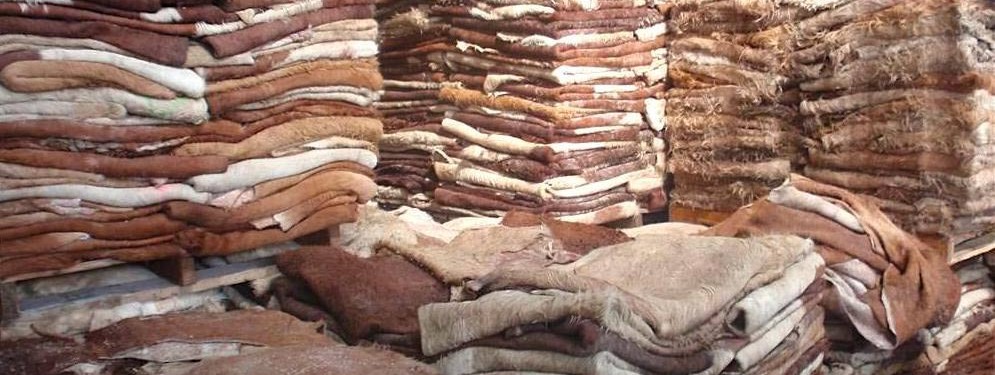
Uganda has introduced a uniform export duty of US$0.80 per kilogram on hides, skins and specified leather materials, in a strategic policy shift aimed at strengthening domestic leather processing, promoting value addition and accelerating industrial development.
The measure follows the passage of the 2025, by the Ugandan Parliament, which eliminated tax exemptions previously granted to certain categories of leather materials, including semi-processed hides and skins, leather offcuts and glue stock.
The revised taxation framework seeks to discourage the export of unprocessed and partially processed leather materials while increasing the availability of raw materials for domestic tanneries and leather manufacturers.
Presenting the proposed amendments, Parliament’s Finance Committee Chairperson, Amos Kankunda, explained that the removal of exemptions was necessary to address the growing export of leather materials that could otherwise support local processing industries.
The government identified the increasing export of glue stock and other hide-based materials as a challenge to domestic manufacturers, who depend on a consistent supply of raw materials to sustain production and expand their operations.
The policy is intended to stimulate investment in leather processing, footwear manufacturing and finished leather products, enabling Uganda to capture greater economic value from its livestock resources.
By encouraging domestic processing, the government hopes to create employment opportunities, strengthen industrial supply chains and improve the competitiveness of Ugandan leather products in regional and international markets.
However, the decision also raises questions about the potential implications for exporters, leather traders and processors, particularly businesses that rely on international markets for raw and semi-processed materials. Industry stakeholders have previously expressed concerns that restrictive export policies, without adequate domestic processing capacity and market access, could undermine profitability and affect employment.
The effectiveness of the revised export duty will therefore depend on complementary investments in modern tanning facilities, affordable financing, technical skills, production technology and market development.
For the wider East African leather industry, Uganda’s policy highlights the growing emphasis on transforming agricultural and livestock resources into higher-value manufactured products.
The development underscores the importance of balancing export regulation with industrial competitiveness, ensuring that value-addition policies translate into sustainable manufacturing growth, increased export earnings, stronger regional value chains and meaningful economic opportunities.